
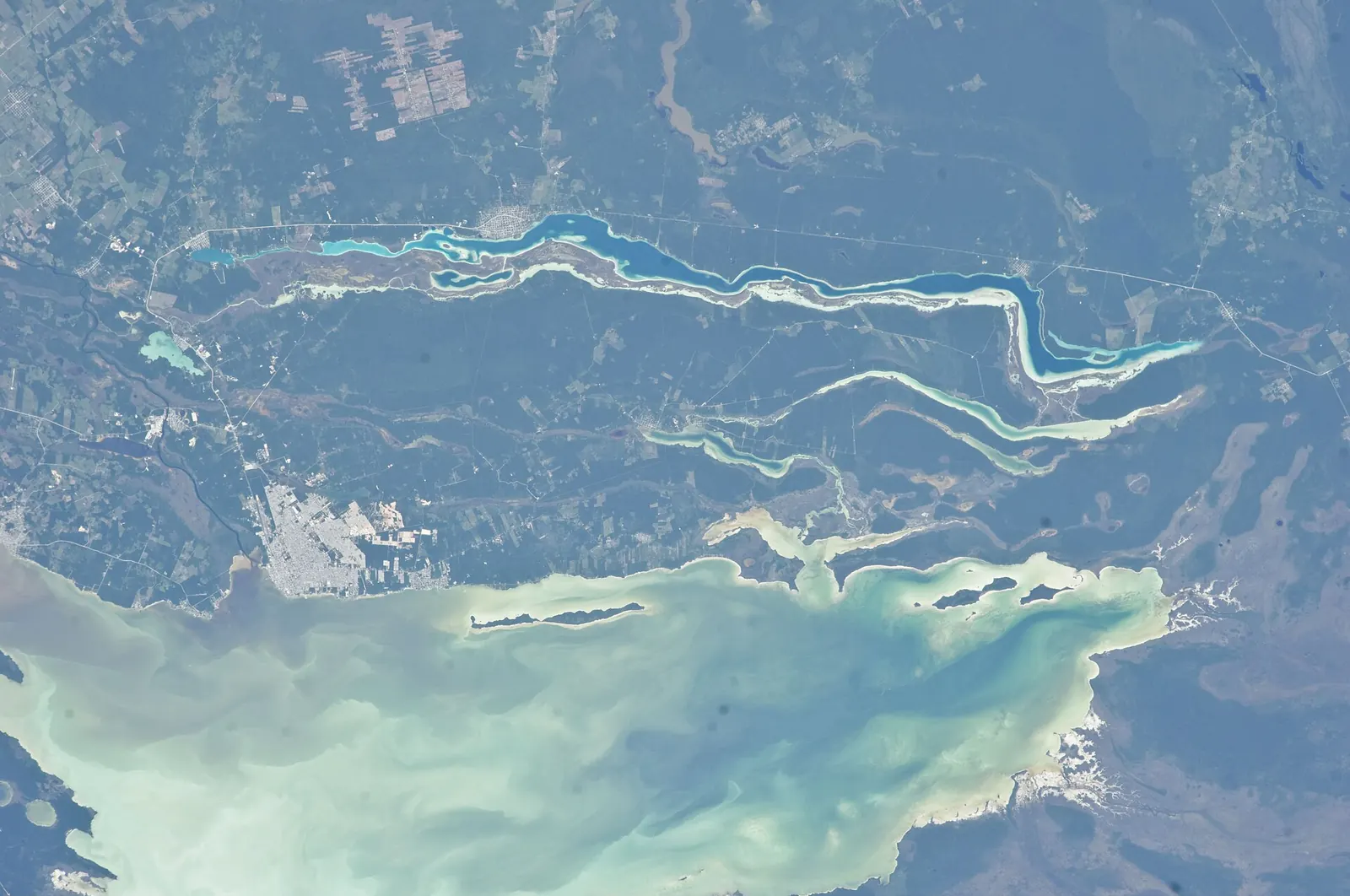
From land: the fort and the waterfront docks
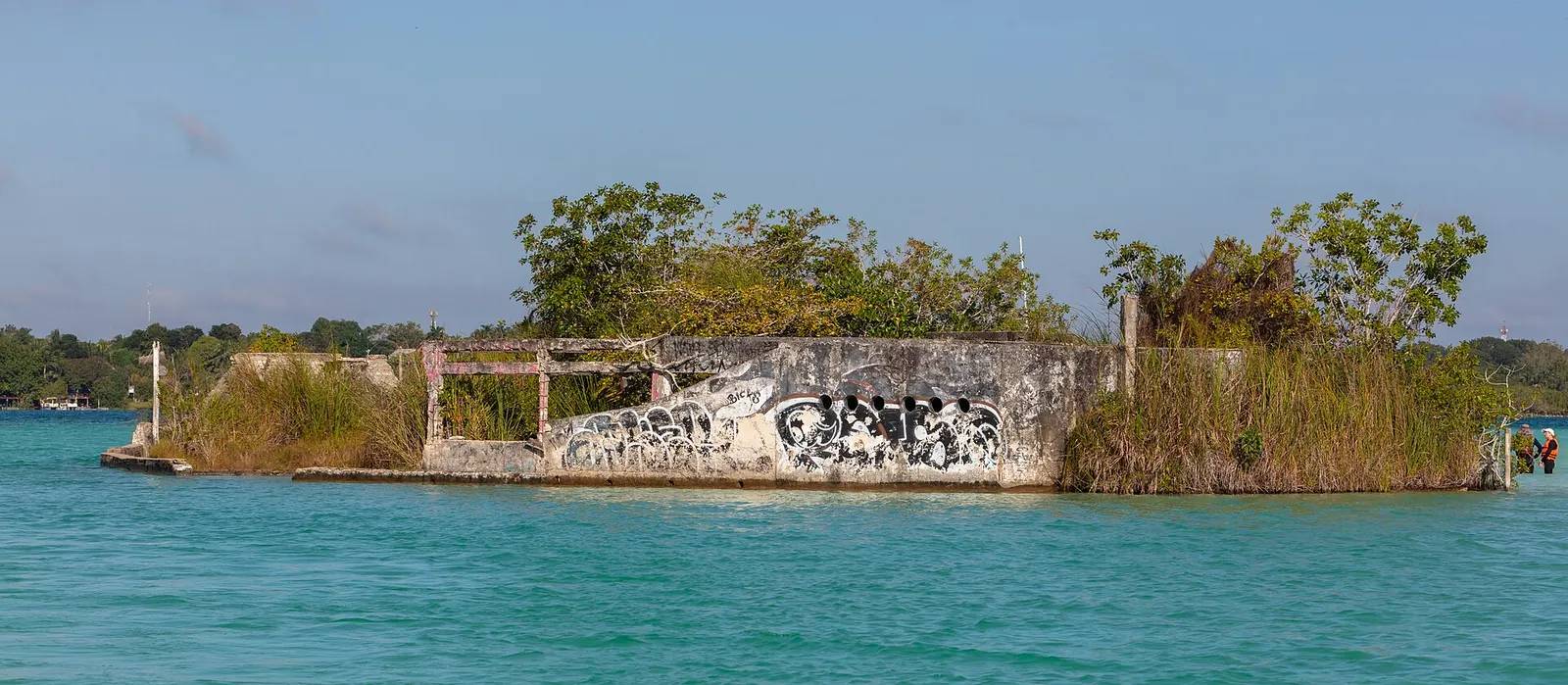
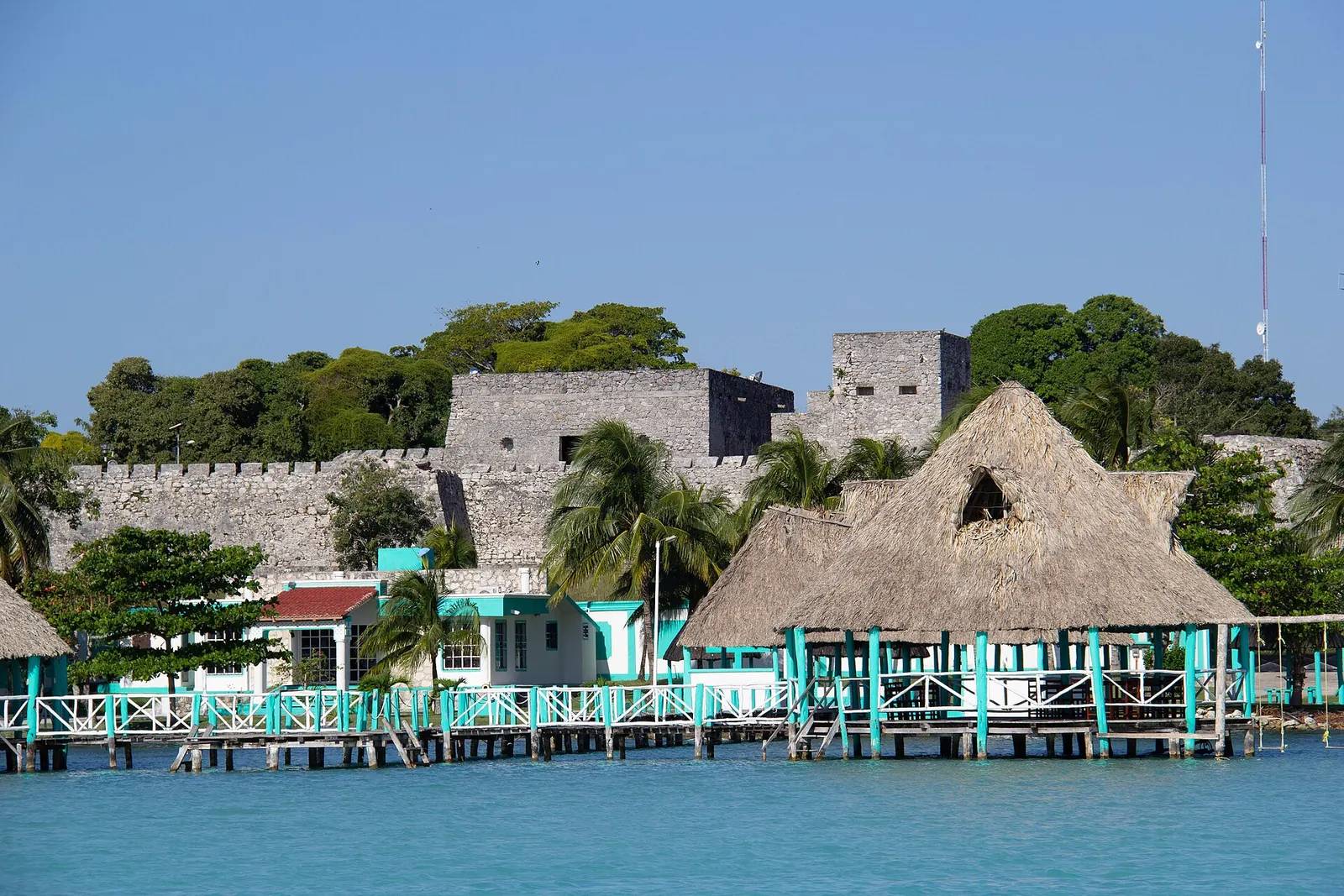
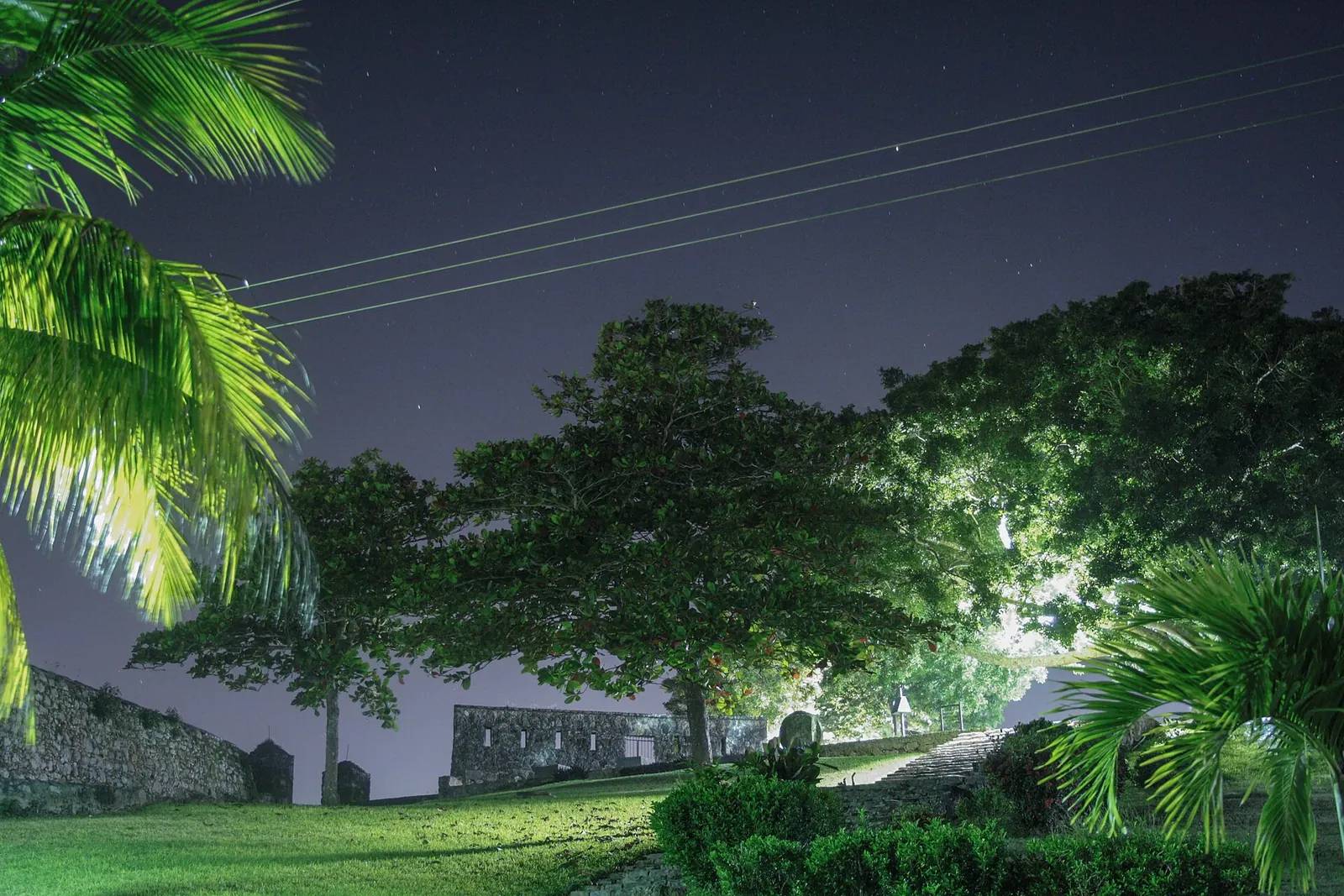
San Felipe Fort. From the walls, the lagoon spreads out to the east, with the Pirates Channel visible in the distance. You can shoot the moat and ramparts for free from the park next door. Hours and admission: San Felipe Fort.
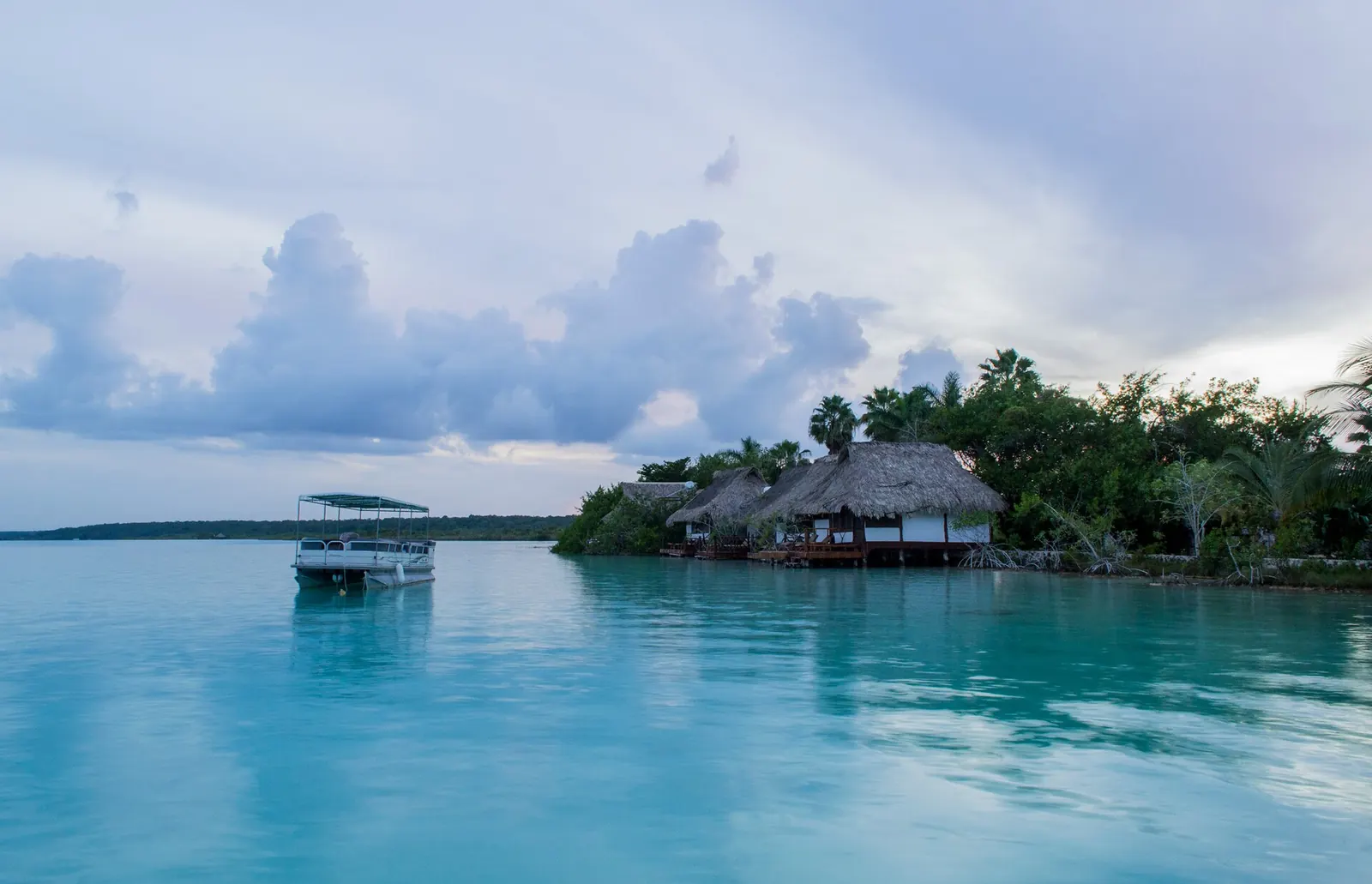
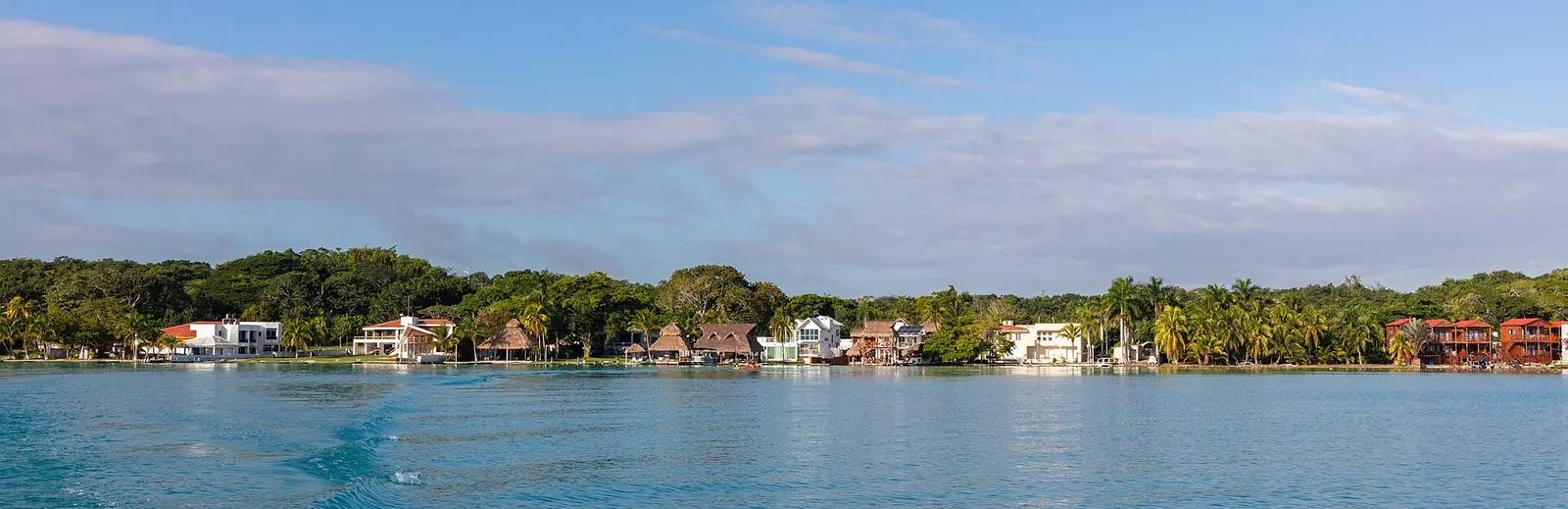
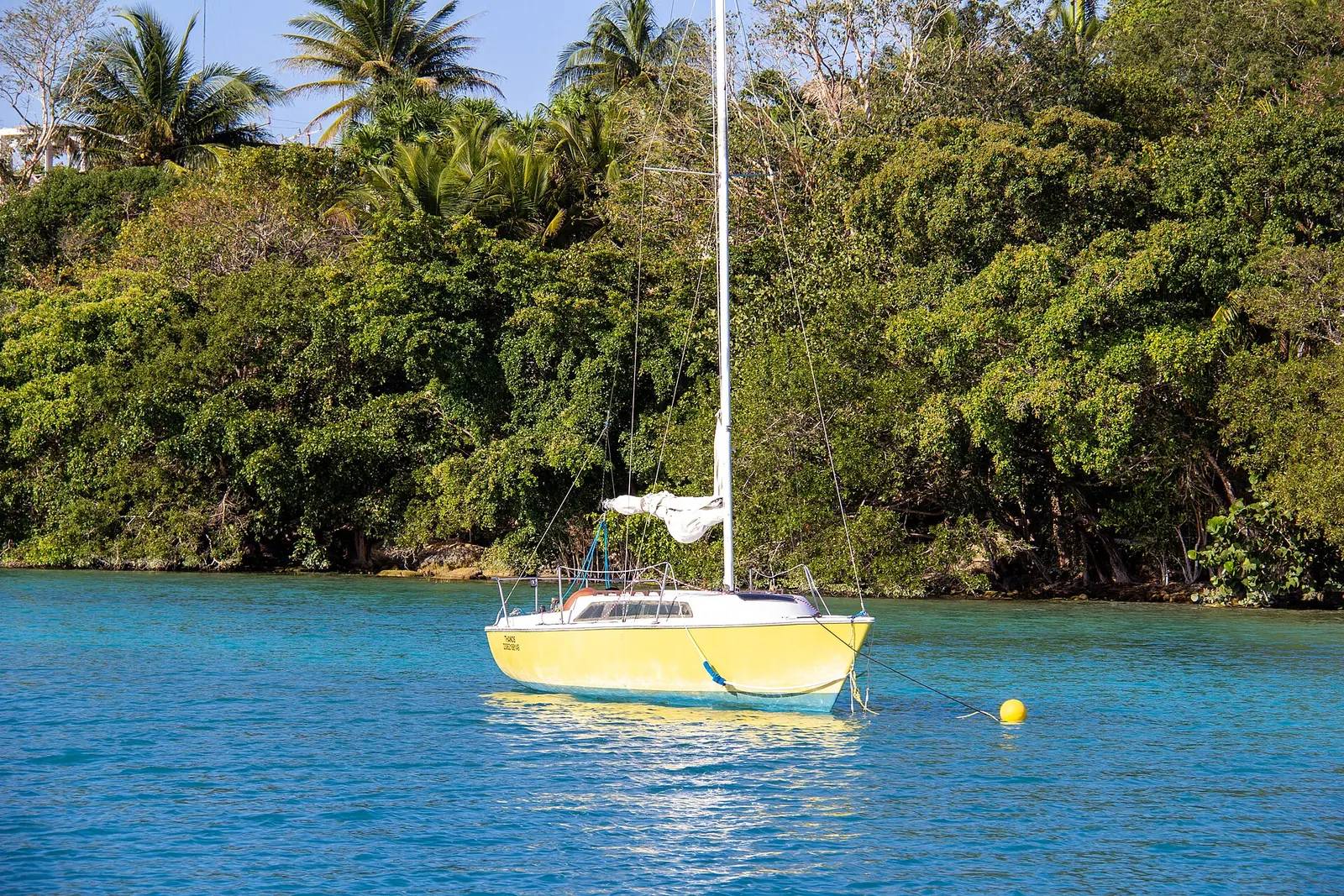
The waterfront docks. The town lines the lagoon's west side, so its docks point east. In the morning you're shooting into the sun: strong glare and silhouettes. After 1 p.m. the sun is at your back, the light hits the water head-on and you can see the white bottom next to the dock.
From the water: what the shore can't give you
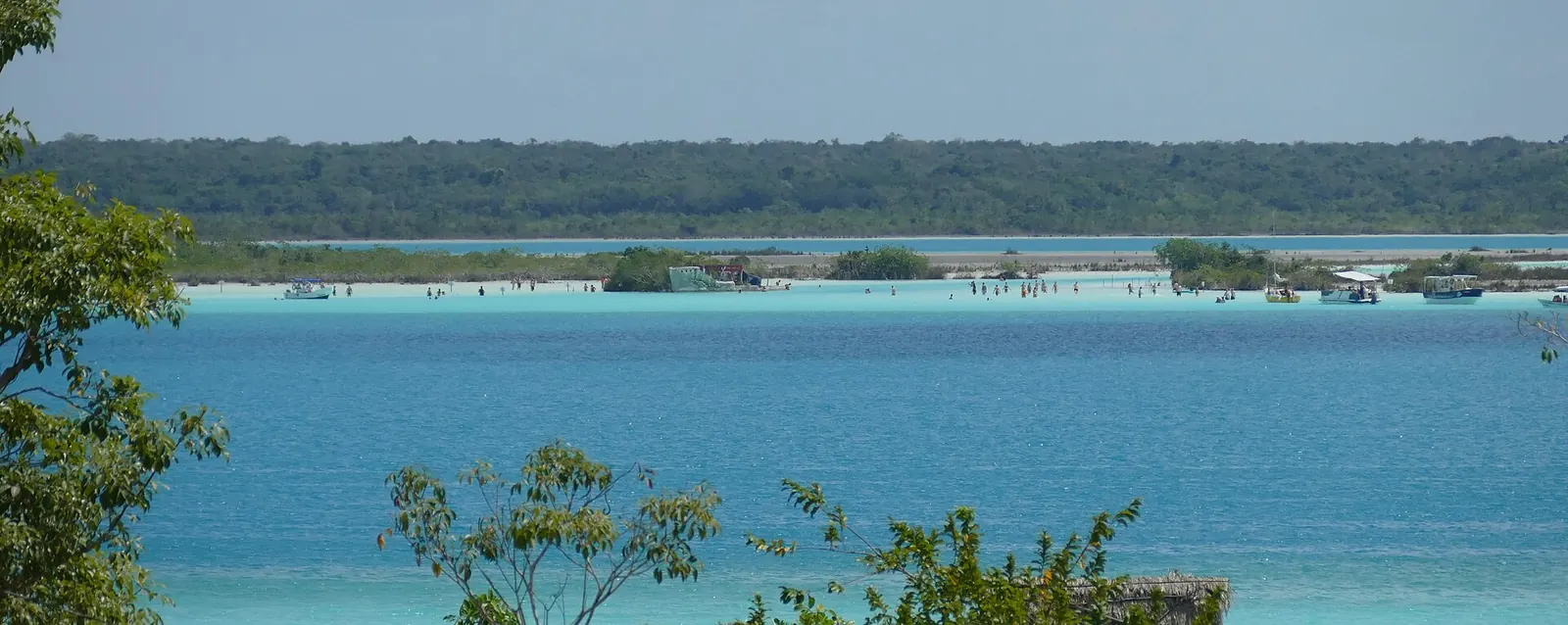
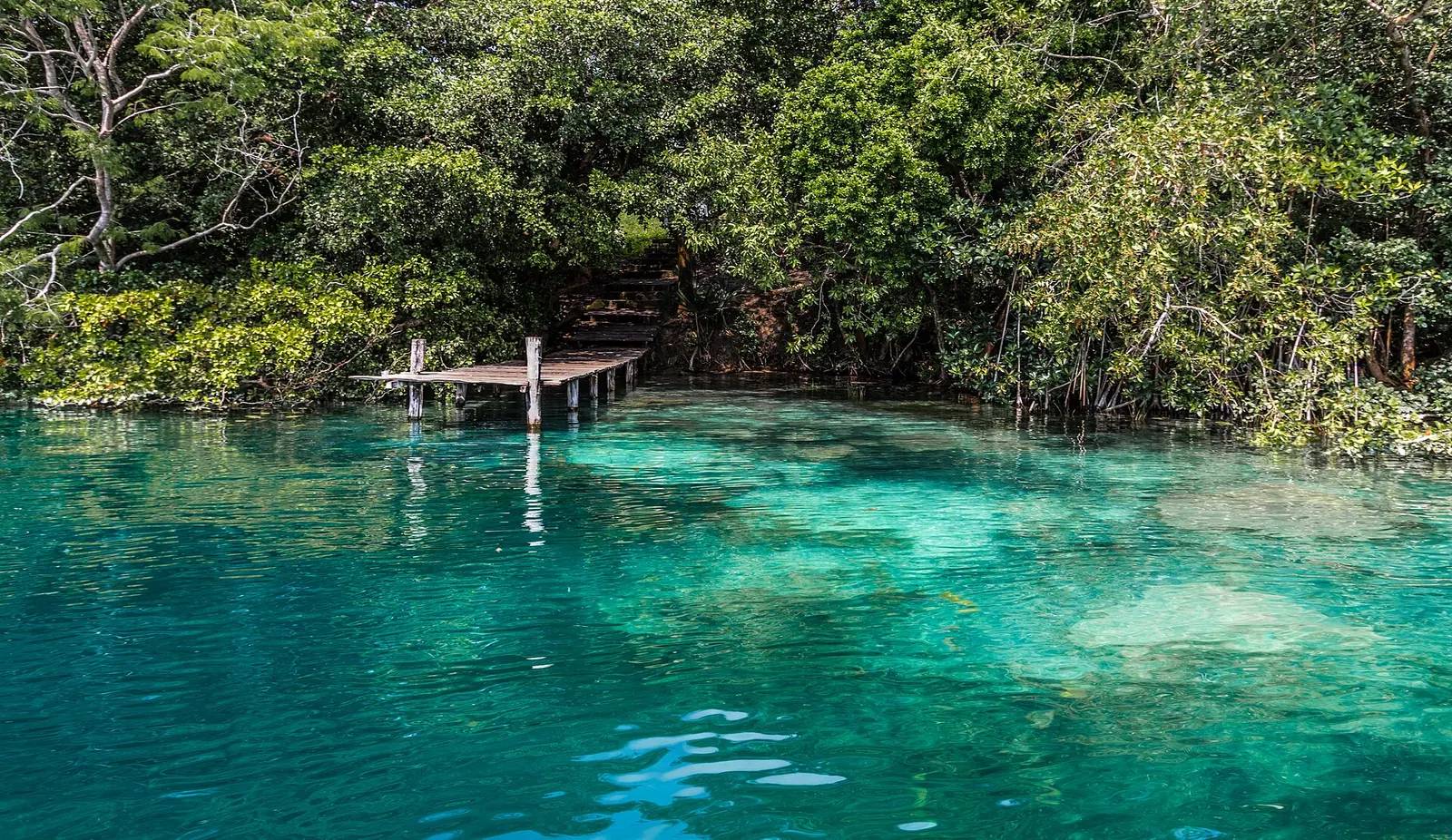
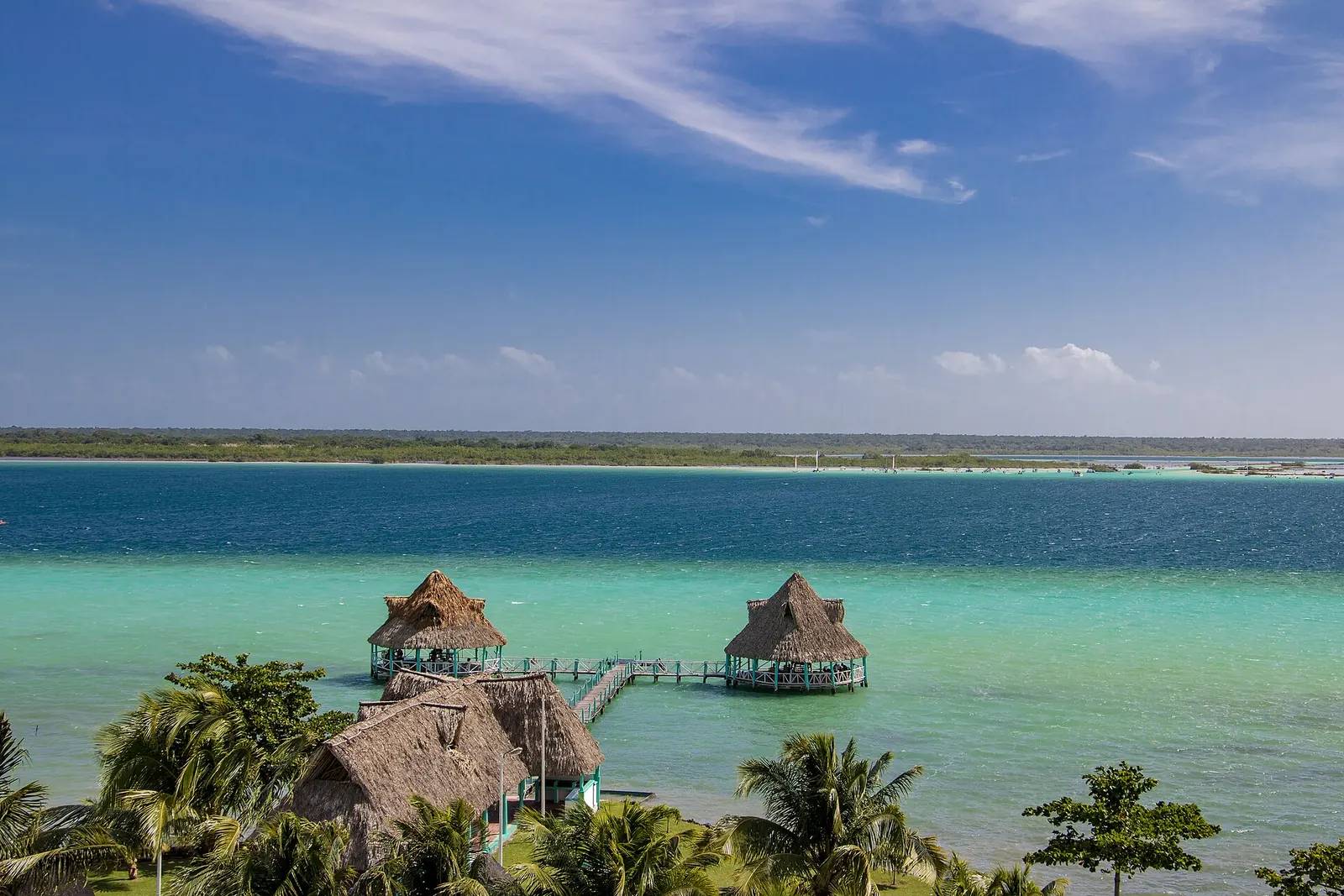
On a boat tour, a pontoon or a kayak, you get close to the edge where white sand drops off into the navy blue of a cenote. The sandbar at the Pirates Channel is the palest turquoise on the lagoon.
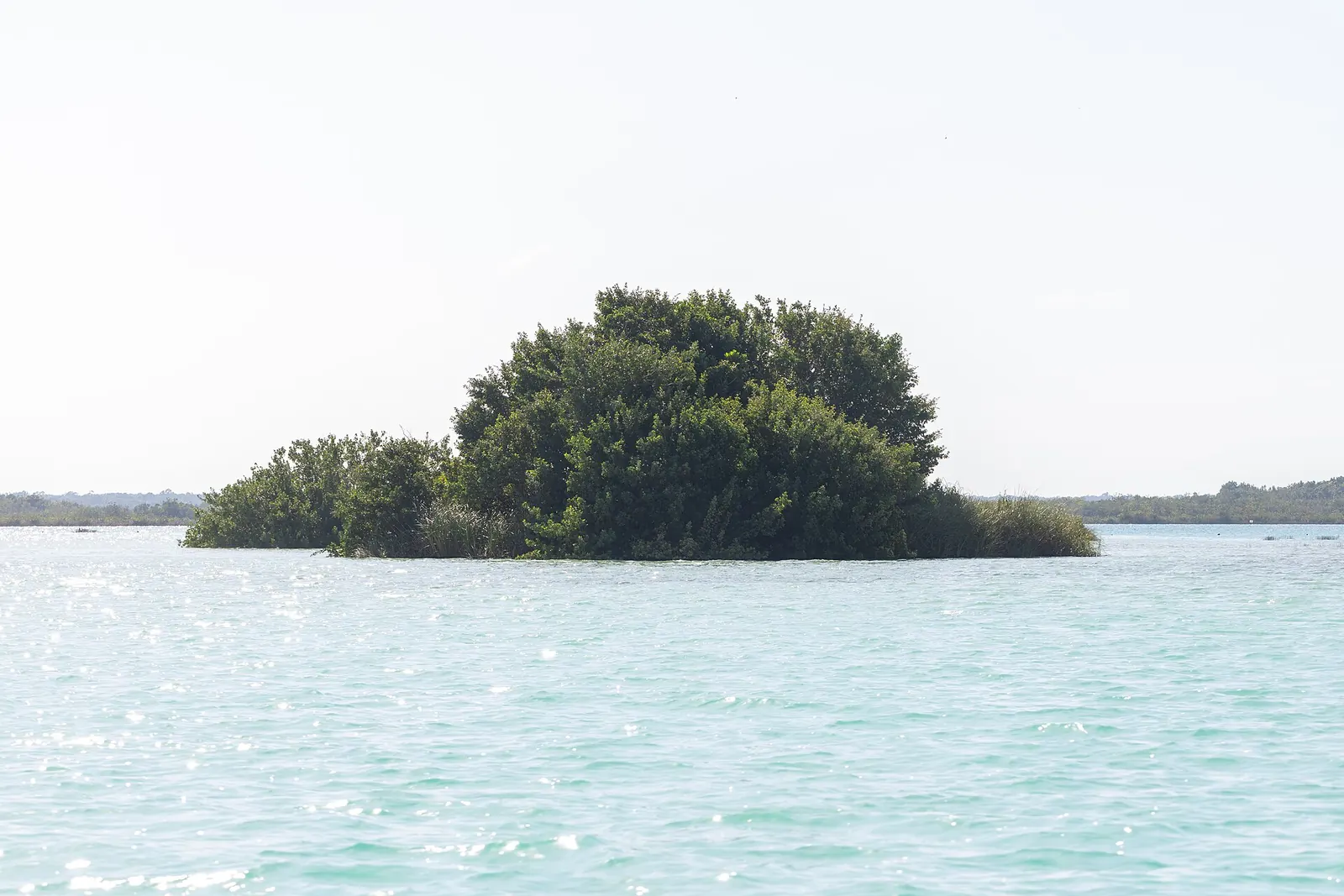
Bird Island is shot from the boat, since landing isn't allowed. Bring a zoom and ask the captain to slow down on the approach; engine noise scares the birds off.
Los Rápidos photos
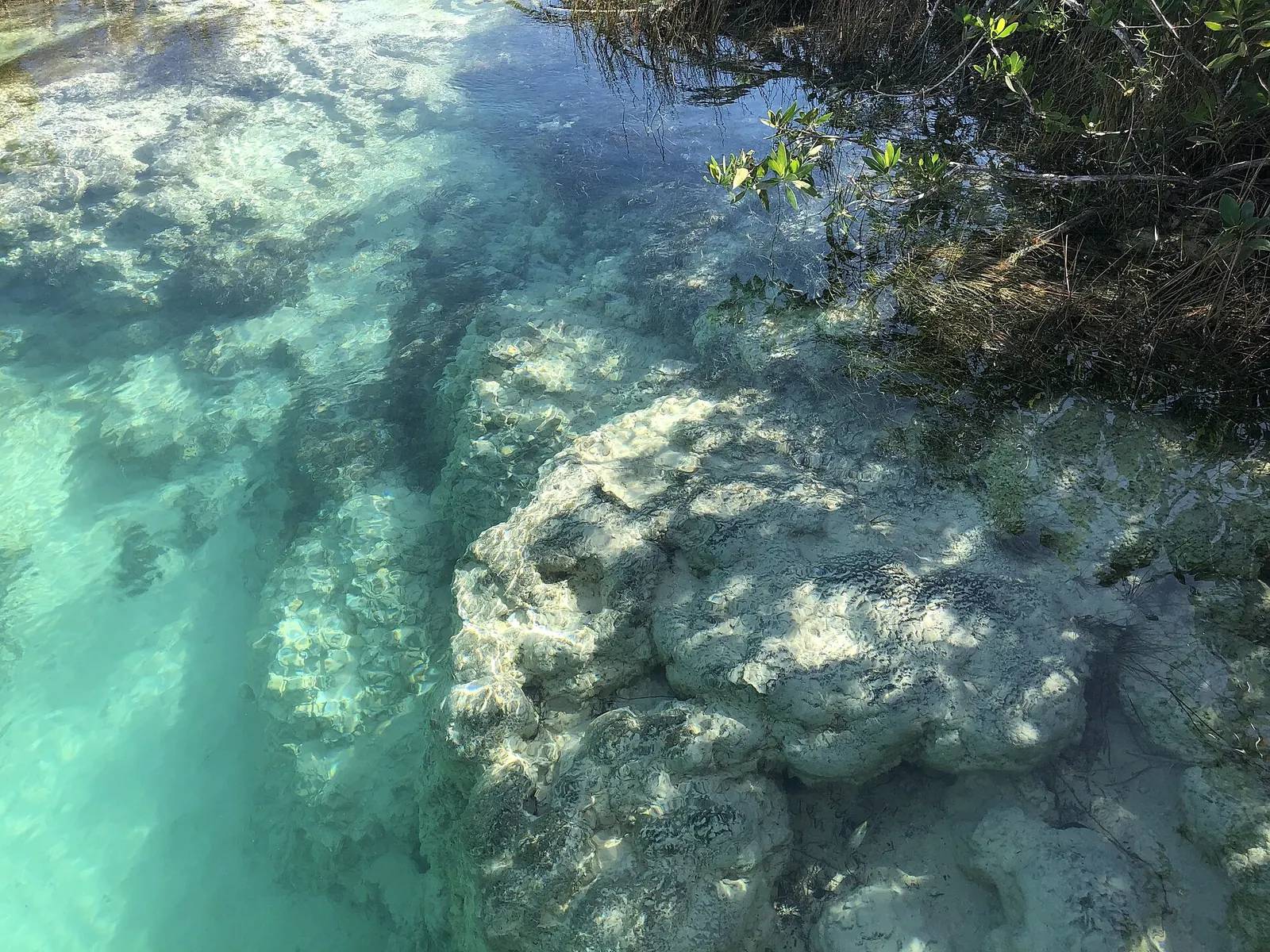
Los Rápidos, the narrow, fast-flowing channel 13 km (8 mi) south of town, has stromatolites along both banks. Mexico's environmental enforcement agency, Profepa, shut it down in October 2026. Before you go, check the latest on our Los Rápidos page.
How the hour and the wind change the color
| Time | What you get |
|---|---|
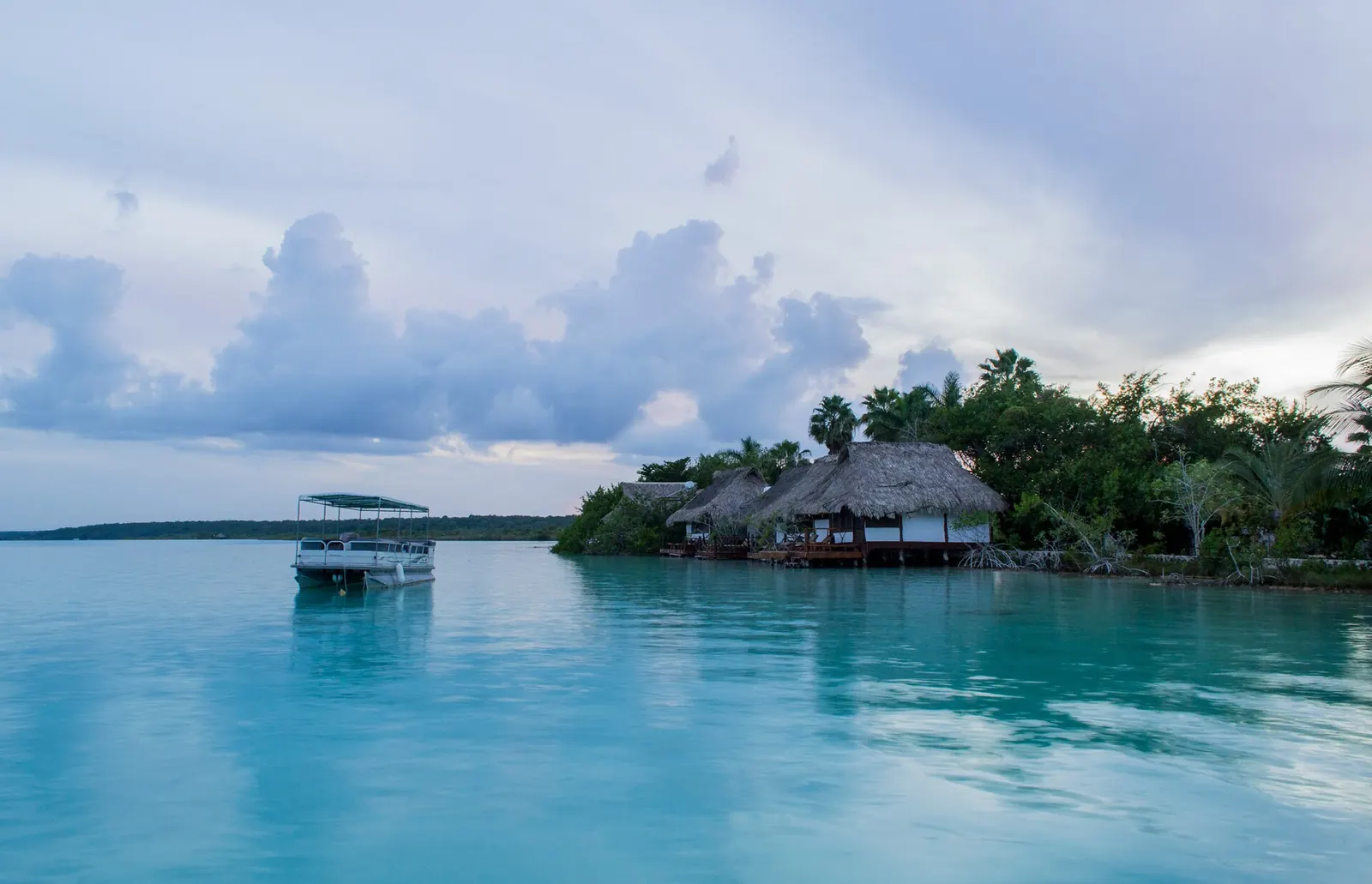
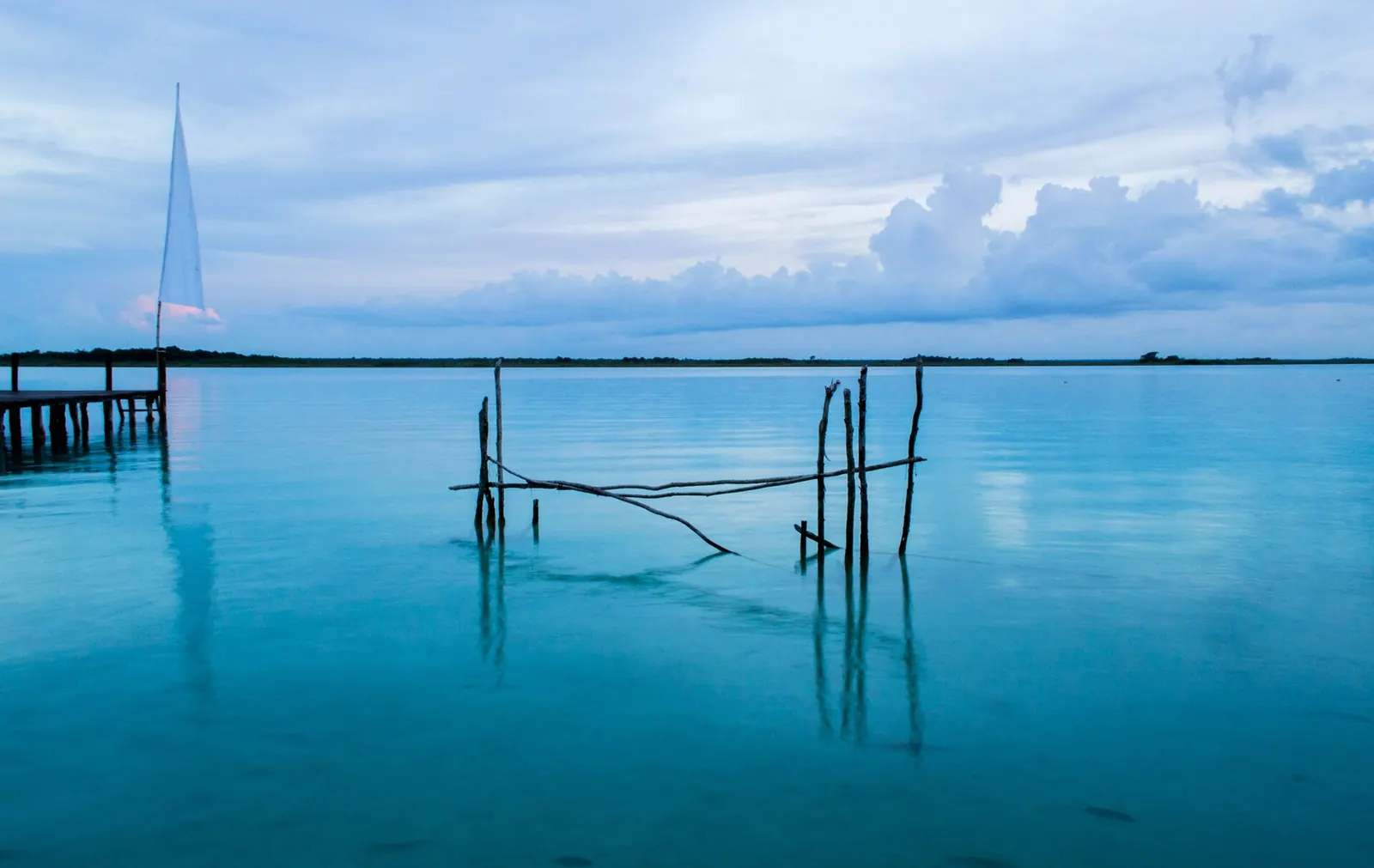
| Sunrise (6:15–7:30 a.m., depending on the month) | Still water and pink tones; month-by-month times in sunrise in Bacalar |
| 10:30 a.m.–3 p.m. | The strongest turquoise: the sun is at 35° or higher in any month |
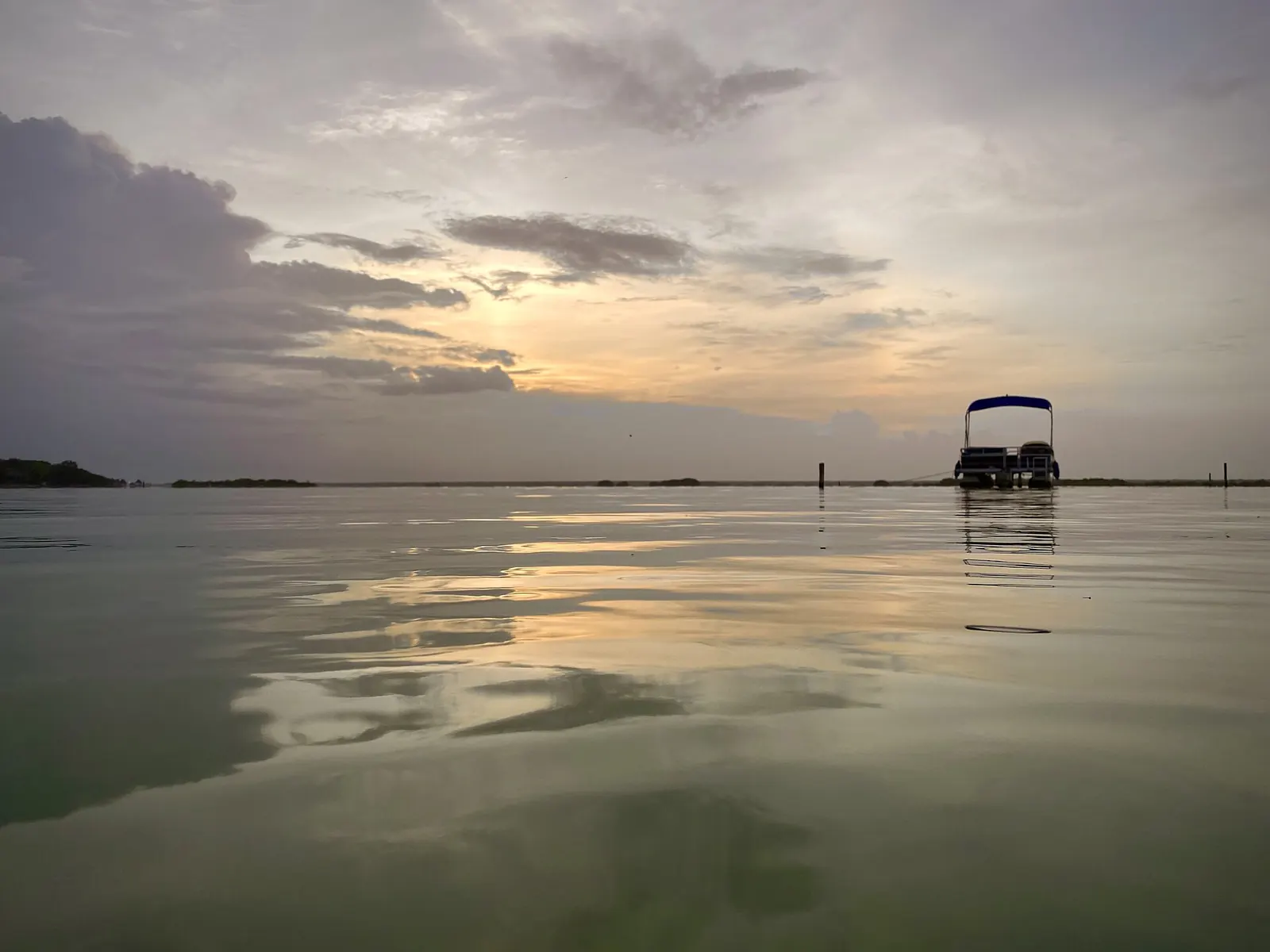
| Last hour of light | Orange sky reflected on the water; the sun goes down on the town side |
One quirk: the sun is highest around 1 p.m., not noon, because Bacalar sits far west in its time zone (UTC−5, no daylight saving time).
Wind matters as much as the clock. During the nortes, cold fronts that hit from December to February, the surface ripples and the mirror effect is gone. Why the lagoon changes color is covered on Bacalar Lagoon; for the day you're going out, check the Bacalar weather.
Drones: what Mexico's rule says
Drones in Mexico fall under NOM-107-SCT3-2019, the federal aviation standard now enforced by AFAC. A drone of 250 g (0.55 lb) or less, battery and camera included, doesn't need registration; anything heavier needs a registration number. For recreational flying:
- Fly between sunrise and sunset, always within line of sight.
- Stay under 122 m (400 ft) and within 457 m (1,500 ft) of you horizontally.
- Keep 9.2 km (5.7 mi) from any airfield and 900 m (about 3,000 ft) from any heliport.
- Over 250 g, don't fly over people, and keep 10 m (32 ft) from anyone not involved in the flight.
Commercial flights also need liability insurance. The standard bars foreign-registered drones and foreign operators without a bilateral agreement, but doesn't say how that applies to a sub-250 g drone in a tourist's bag; for paid work, ask AFAC first.
We found no drone rule specific to the lagoon and no published permit process for filming at the fort; ask at the ticket booth. At a hotel or beach club, ask before you take off. Our advice, not the law: don't fly low over swimmers or kayaks, or over Bird Island.
Respect what you're shooting
Don't stand or sit on the stromatolites for a photo: they add roughly a millimeter a year. It was one of the complaints against Los Rápidos before the closure: activists accused the beach club of letting tourists pose for photos on them.
Ask boat captains, vendors and swimmers before you photograph them up close. And use a wrist strap: anything dropped near a cenote, where the bottom falls away tens of meters, isn't coming back.